
The Android device, based in a waterproof Sony Xperia Google has created the world’s first Ebola-proof tablet with an extra protective casing, allows medics to safely record and share patient temperatures and symptoms over days and weeks. By adapting Sony’s waterproof Xperia Tablet Z. An Ebola-proof tablet that can survive being doused in chlorine and can be used while wearing gloves has been developed by Google and technology volunteers for use by health workers in Sierra Leone. Its manufacturers say it can withstand the storms and high humidity that are commonplace in the Ebola zone of West Africa.
The idea for an Ebola-proof tablet originated from a Medicines Sans Frontiers (Doctors without Borders) doctor, who resorted to shouting patient details from the protective zone. Within these protective zones, doctors must be fully covered in order to avoid being infected with Ebola, since even passing a piece of paper with patient details has the potential to transmit the disease.Medecins Sans Frontiers (MSF) technology advisor Ivan Guyton said this practice was “error prone, exhausting, and it wasted five or 10 minutes of the hour medics can spend fully dressed inside the protective zone before they collapse from heat exhaustion.” To address the issue, MSF challenged a number of technology volunteers to create an Ebola-proof tablet to improve efficiency. This collective, who included White spell’s Pym de Witte and Hack4Good’s Daniel Cunningham, grew to include a member of Google’s Crisis Response Team, and it was this group that co-developed the device.
Corinne Pritchard said: “This was an amazing opportunity to help the medics currently fighting Ebola in Sierra Leone and beyond.
“The brief was very challenging – the medics are dressed head to toe in plastic, their goggles fog up in the heat and they’re wearing two pairs of gloves, so we had to design very accessible software. I hope this project shows that being a designer is about more than adding bells and whistles – it can have very real benefits.”
The tablet has a waterproof casing which can be washed in 0.5% chlorine solution, has rounded edges so as to not pierce protective clothing, and is charged wirelessly.
“Finally, we have technology adapted to the challenging environments that MSF doctors have to work in, which will allow us to keep on improving the care we can provide, and ultimately allow us to save more lives.”
Want results like these for your business?
Tell us what you're working on. Our engineers will review it and get back to you.
Keep reading
Google’s On-Body Detection Android Technology
Android users are beginning to see an option for on-body detection in version 5.0 and up, which lets you unlock your device once, and then have that unlock grant you continued access without having to re-enter your pin,…
Read article
Android Comes To The Smart Home With Google Brillo
Google officially announced its rumored Brillo, its Android-based operating system for smart home devices and the internet of things. The Senior Vice President Sundar Pichai describes smart device set-up process, by…
Read article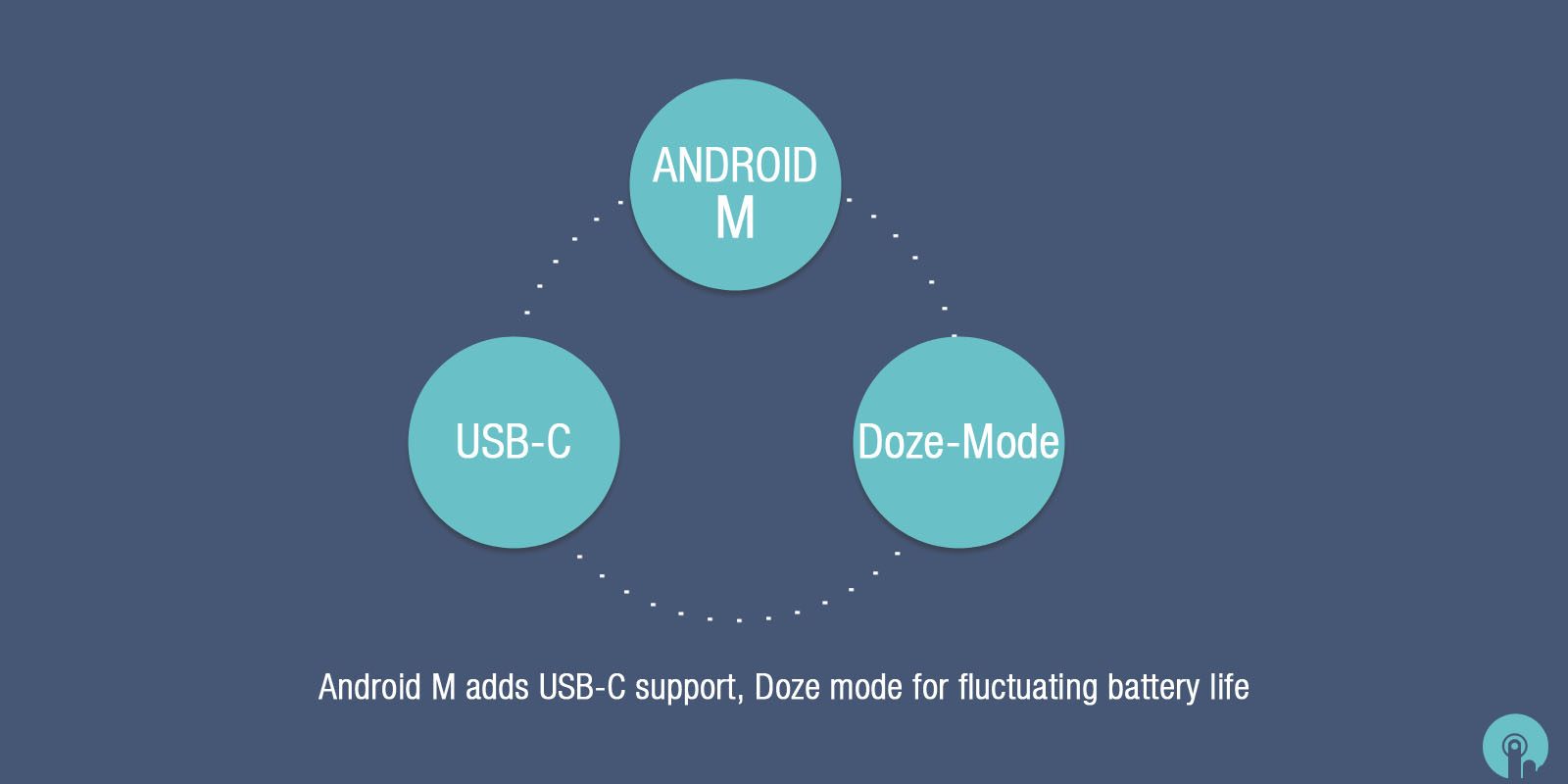
Android M Adds USB-C Support, Doze Mode For Fluctuating Battery Life
A new underline only announced at Google I/O for Android M, 2015’s large refurbish for an Android OS, will embody a Doze mode that cleverly powers down your phone or inscription when it’s not in use for a prolonged…
Read article